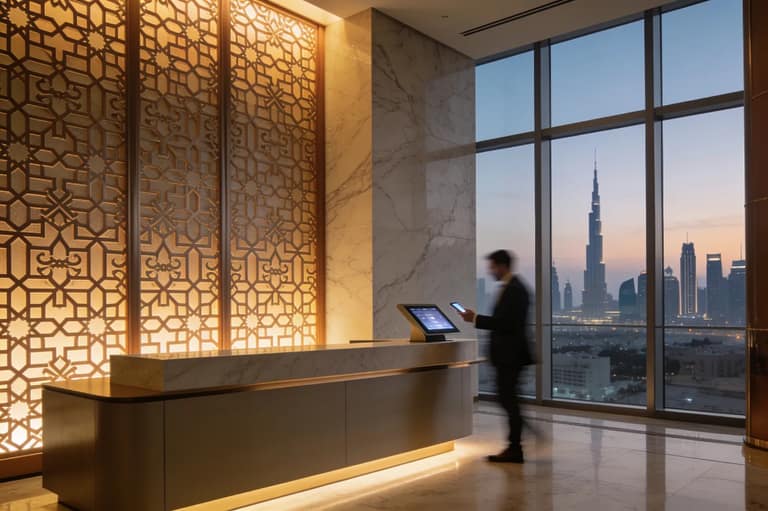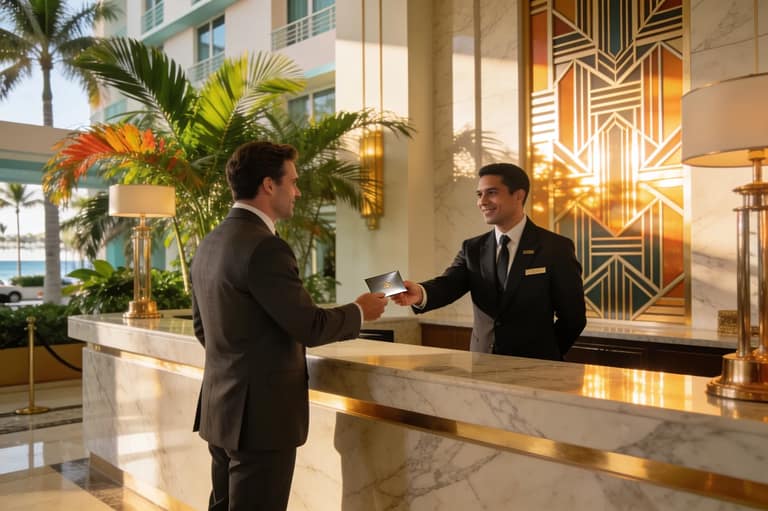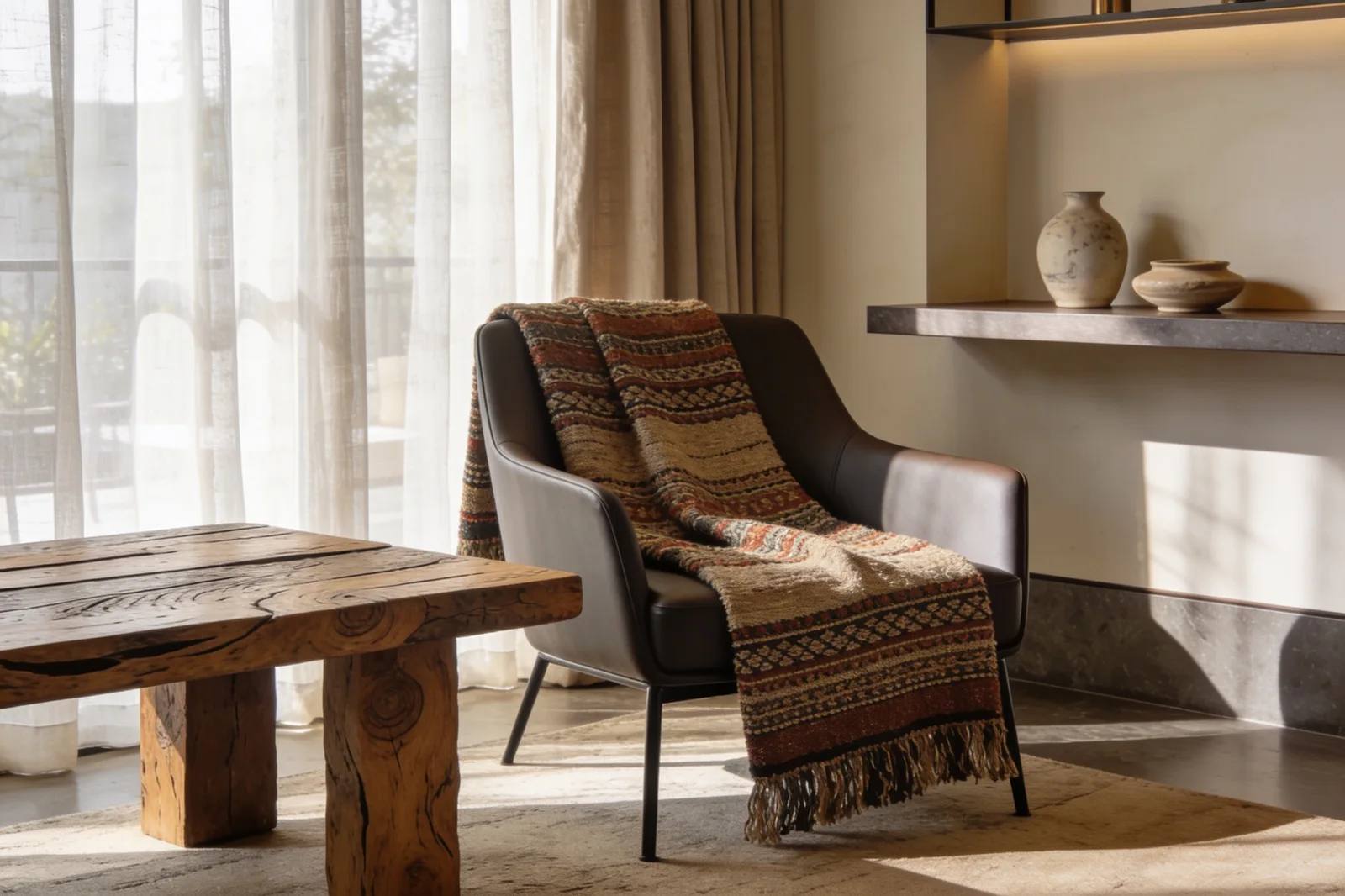
Incorporating local culture into boutique hotel design means embedding genuine regional heritage into architecture, materials, and guest experiences rather than adding decorative afterthoughts.
What authentic cultural incorporation looks like
Authenticity in hotel design starts with community engagement, not visual mimicry. Hotel Designs warns that design becomes pastiche when it merely mimics its surroundings and treats community involvement as essential to reflecting local culture genuinely. The Oxford Castle Malmaison conversion illustrates this principle. The property was developed from a Victorian prison. It reflects a part of the city's culture and history with very little connection to the more famous university.
Appropriation enters when hotels extract symbols without understanding their meaning or obtaining appropriate involvement from originating communities. The available research does not establish a universal standard for cultural appropriation or community consent in hotel design, so properties must develop their own protocols through direct dialogue with local stakeholders. A textile pattern copied without understanding its ceremonial significance, or a sacred motif used as wallpaper, crosses into exploitation regardless of aesthetic intent.
Researching local culture beyond tourist clichés
Effective research for hotel design requires moving past the visual shorthand that dominates destination marketing. The research material does not prescribe a specific method, but the principles from verified sources point toward several practical approaches.
Local history museums, university folklore departments, and municipal preservation offices hold records of craft traditions, architectural vernacular, and neighborhood narratives that commercial promotion ignores. For example, local character in Zürich boutique hotels often emerges from these deeper historical layers rather than superficial tropes.
Weavers, stonemasons, instrument makers, and culinary specialists understand how materials behave, which techniques survive, and what adaptations compromise integrity.
Local culture encompasses dialect, seasonal rituals, work songs, and social customs that do not translate directly into objects but can inform spatial sequencing, acoustic design, or programming.
Create a cultural sourcebook that records who contributed information, which community claims specific heritage, and what restrictions apply to commercial use.
Translating research into material choices
Materials carry cultural memory more durably than applied decoration. Regional stone, timber species, clay bodies, and fiber traditions connect guests to place through touch and weight as well as appearance. This approach aligns with the principles of integrating local identity into luxury hotel spaces, where authenticity drives value.
However, material authenticity requires honest presentation. Reconstituted stone labeled as quarried, machine-woven textiles sold as handloom, or imported goods presented as local constitute fraud rather than design. Guests increasingly verify claims, and certification organizations now track supply chains for hospitality projects.
Balancing heritage aesthetics with contemporary function
The most common failure in culturally designed hotels is creating museum environments that sacrifice comfort for visual period effect. Guests expect reliable climate control, adequate lighting for reading and work, sound privacy, and smooth technology integration regardless of aesthetic theme.
The solution lies in distinguishing structure from finish, and permanent from flexible. Traditional structural systems, spatial proportions, and material palettes establish cultural context. Within that framework, contemporary furniture, lighting, and technology meet functional expectations. A Rajasthani haveli courtyard plan with modern bathroom fixtures and adjustable LED lighting respects typology without imposing historical inconvenience.
Climate adaptation often drives the most successful hybrid solutions. Traditional buildings in hot regions used thick masonry, small openings, and evaporative cooling. Contemporary guests expect glass and views. External shading devices, double-skin facades, and displacement ventilation can reconcile these demands while referencing traditional responses to solar geometry.
Technology integration demands particular care. Visible cabling, plastic enclosures, and standard hotel hardware disrupt carefully composed interiors. Custom mounting solutions, wireless infrastructure, and equipment concealed within traditional forms maintain atmospheric coherence. The guest should encounter controls and interfaces that feel designed for the specific environment rather than installed despite it.
Scale also matters. Grand public spaces can sustain more elaborate historical reference than guest rooms where intimacy and personal control dominate. Many successful properties concentrate cultural narrative in lobbies, restaurants, and corridors while keeping sleeping spaces comparatively restrained.
How guests perceive and value cultural design
Guest response to cultural elements operates on multiple timeframes. Immediate aesthetic impact drives photography and social sharing. A study of hotel Instagram accounts in Turkey found that presenting destination-specific tangible and intangible heritage elements through social media contributes to creating a more authentic and distinctive image in potential visitors' minds. This visibility matters for properties competing against algorithmically promoted chain alternatives.
Deeper engagement develops through accumulated sensory experience. Scent design using regional botanicals, soundscapes incorporating local acoustic traditions, and tactile material palettes create immersion that photographs cannot capture.
The psychological mechanism involves place attachment, the emotional bond between person and location that develops through meaningful interaction. Guests who feel they have understood something of a place's distinct character report higher satisfaction and stronger recommendation behavior.
However, cultural cues must be legible without requiring specialized knowledge. Guests should recognize that elements carry meaning even when they cannot interpret every detail. Contextual information, whether through staff narration, printed guides, or digital interfaces, deepens appreciation without becoming didactic burden.
The commercial case for culturally driven design
Boutique hotels with distinctive offerings command pricing power and booking channel advantages that standardized properties struggle to match. Boutique hotels' unique offerings build loyalty that flows into direct bookings and lower distribution cost, according to 2025 market analysis. This compounding advantage becomes particularly valuable as commission rates on major OTAs continue rising. Indeed, how design trends drive direct booking optimization shows that aesthetic uniqueness is a key lever for revenue stability.
The verified research does not establish a universal RevPAR uplift specifically attributable to culturally specific design. Retrieved sources describe possible commercial benefits of cultural integration but do not quantify a design-specific return. Little research, associates heritage integration with 5% higher average occupancy alongside stronger guest satisfaction and brand equity, though this figure concerns occupancy rather than RevPAR and bundles culinary and architectural factors together.
What the evidence does support is a strategic logic rather than a guaranteed formula. The resulting booking pattern reduces commission expense and builds guest data ownership.
Storytelling that converts website visitors to direct bookers
Cultural design investments return nothing if potential guests never learn of them. Hotel websites must translate physical experience into compelling narrative that motivates direct booking rather than OTA comparison.
Lead with specificity, not aspiration. "Inspired by local traditions" communicates nothing. "Lobby columns carved by fourth-generation stonemasons from the same quarry that supplied the 14th-century cathedral" invites engagement. Name practitioners, document processes, and date commissions. This specificity also protects against appropriation accusations by demonstrating genuine relationship.
Structure narrative around guest experience rather than design history. Describe what a visitor sees upon arrival, touches in the elevator, smells upon entering the room. Sensory specificity triggers imagination more effectively than conceptual claims. Video content showing making processes, whether ceramic firing or textile weaving, extends this immersion for digital audiences.
Connect cultural elements to practical benefits. Local stone's thermal mass reduces air conditioning dependence. Traditional shading devices enable comfortable outdoor lounging in hot climates. Regional cuisine ingredients support local agriculture and reduce supply chain distance. These links answer the guest who appreciates aesthetics but suspects greenwashing or indulgence.
Include clear direct booking incentives alongside cultural narrative. Rate parity undermines the entire strategy if guests find identical rooms cheaper elsewhere. Exclusive amenities for direct bookers, whether cultural programming access or artisan gifts, reward the behavior properties seek to encourage. Hotel digital marketing strategies to increase direct bookings increasingly emphasize these value-added propositions over price competition. For instance, direct booking strategies for Dubai boutique hotels often highlight exclusive local experiences to bypass third-party fees.
Search optimization should target culturally specific queries. Travelers searching "hotel with traditional [craft] workshop" or "boutique hotel near [heritage site]" demonstrate intent that generic luxury terms miss. Content addressing these queries captures high-intent traffic with lower competition than category terms. Similarly, optimizing for design-led stays in Dubai can attract guests seeking curated aesthetics over standard accommodations.
Implementation priorities for existing properties
Properties not designed from scratch can still develop cultural authenticity through phased investment. The sequence matters more than speed.
- Audit existing claims and materialsDocument what cultural references currently exist, their accuracy, and their sourcing. Remove or correct claims that cannot be substantiated. This protects against future challenge and establishes honest baseline.
- Identify one authentic narrative threadSelect a single cultural theme with strong local documentation and community connection. Depth outperforms breadth; a property known for one genuine story beats one with scattered references.
- Commission signature pieces from local practitionersReplace generic furnishings with documented works that embody the chosen narrative. Public spaces yield highest visibility; guest rooms can follow.
- Train staff in narrative deliveryCultural elements remain inert without human interpretation. Staff should understand origins, makers, and significance sufficiently to answer guest questions naturally.
- Document and publish the processCreate website content, social media documentation, and in-room materials that tell the development story. This content supports both marketing and educational functions.
Measuring impact and adjusting course
Cultural design investments require longer evaluation horizons than typical renovation projects. Initial metrics should track awareness and engagement rather than immediate revenue attribution.
Website analytics reveal whether cultural content attracts and retains visitors. Time on page, scroll depth, and click-through rates on cultural narrative pages indicate interest. Social media engagement rates on culture-related posts show shareability. Direct booking conversion rate by traffic source identifies whether cultural search terms bring committed bookers or merely browsers.
Guest feedback requires structured collection. Post-stay surveys should include specific questions about cultural elements rather than generic satisfaction ratings. Review analysis can track whether cultural references appear spontaneously in guest commentary, indicating genuine impact rather than prompted recall.
Revenue metrics eventually confirm or challenge the strategic hypothesis. Direct booking percentage, repeat guest rate, and length of stay all potentially reflect cultural differentiation. However, these figures respond to multiple variables, and the research does not verify a direct causal link between culturally specific design changes and booking channel shifts for named properties. Properties should track trends over multiple years rather than seeking immediate proof. Utilizing direct booking benefits for Zurich hotels can help isolate the impact of channel strategy on these metrics.
Common pitfalls to avoid
Several failure patterns recur in culturally designed hotels. Recognition enables prevention.
Overloading narrative exhausts guests. A property that announces its cultural program at every encounter feels anxious rather than confident. Select moments for emphasis; let other spaces rest.
Neglecting maintenance undermines authenticity. Traditional materials often require specialized care. A hand-plastered wall with water damage, or a textile faded from improper cleaning, signals disrespect rather than heritage. Budget for conservation expertise from project inception.
Confusing age with authenticity creates incoherence. A genuinely old building modified with false historical additions reads as theme park. Contemporary interventions in historic structures should be clearly distinguishable, not disguised.
Ignoring staff culture wastes design investment. Employees who feel no connection to the property's narrative cannot convey it convincingly. Hiring practices, training programs, and internal communication should reinforce the same cultural engagement expected of guests.
What to do next
Begin with honest assessment of your property's current cultural claims. Which can be documented? Which rely on assumption or convenience? Eliminate the latter before building further.
Schedule conversations with three local practitioners in different heritage fields: a craftsperson, a historian or archivist, and a community organization representative. Ask what they wish visitors understood about local culture, and what they consider misused or overlooked. Their answers will redirect any superficial research you have already conducted.
Review your website's current cultural content against the specificity standard. Replace generic claims with named people, places, dates, and processes. Add video documentation of making processes if possible. Test whether this revised content supports direct booking calls to action with clear value propositions. Consider implementing booking tips for Dubai boutique hotels to refine your conversion funnel.
Finally, establish a cultural advisory relationship with at least one community organization relevant to your property's narrative. This provides ongoing accountability, access to evolving practice, and protection against appropriation missteps. The relationship itself becomes part of the authentic story you can share with guests who value ethical travel choices.