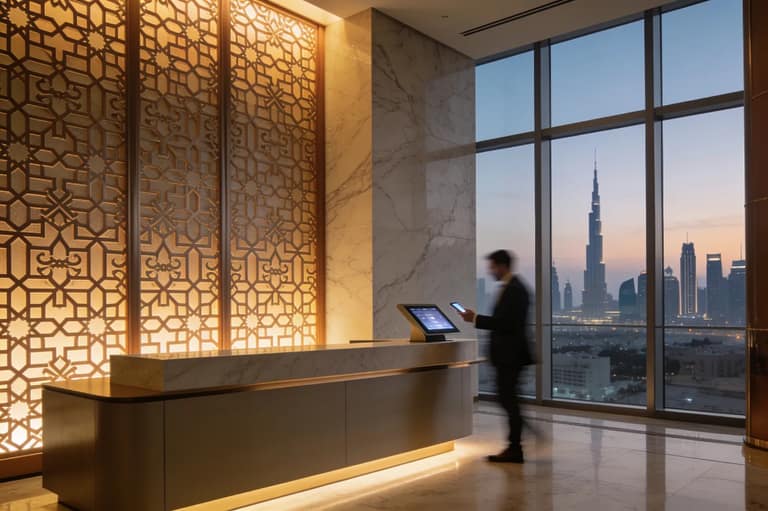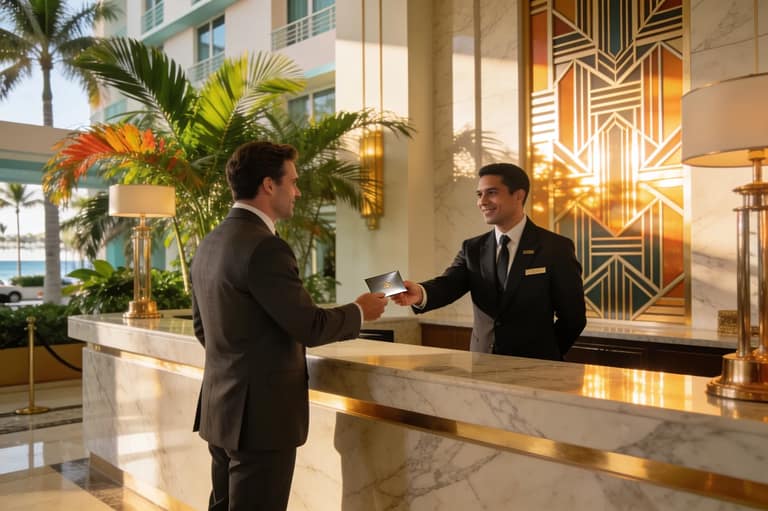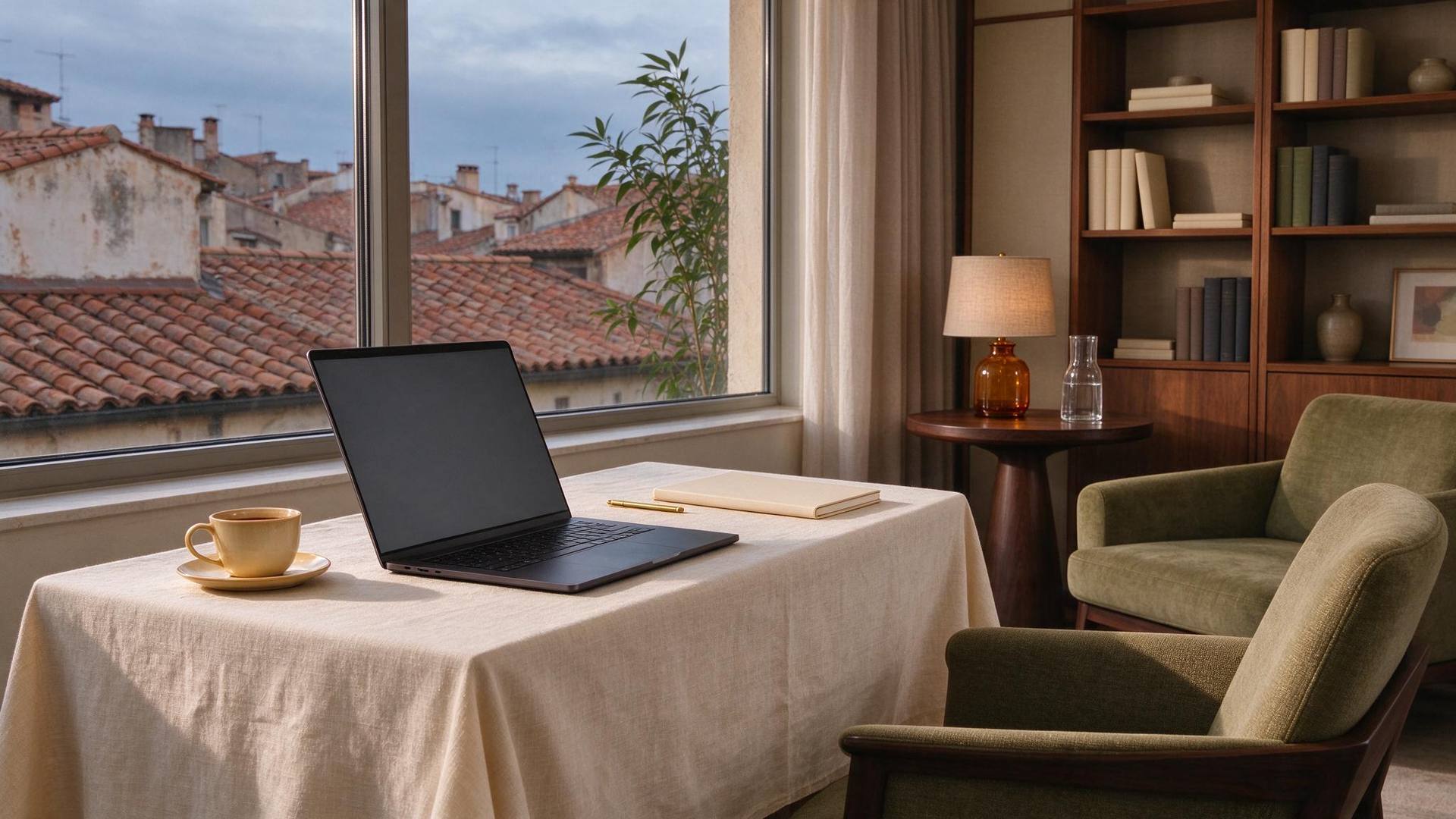
Luxury and boutique hotels require digital strategies that mirror their physical atmosphere. High-value travelers deliberate longer, compare across tabs, and often contact reservations directly before booking. Success in 2026 depends on targeting intent-rich long-tail searches and leveraging curated discovery platforms to feed the direct booking channel.
Differentiating luxury and boutique guest expectations
The two guest types share a resistance to generic marketing, but their online triggers diverge. Luxury travelers expect opulence signaled through effortless personalization, predictive service cues, and frictionless concierge access. Boutique guests prioritize authenticity, design narrative, and localized character. A luxury site might foreground suite configurations and bespoke amenities; a boutique property leads with architectural lineage, neighborhood context, and the story of its makers.
Properties that successfully embed authentic cultural storytelling and heritage architecture command rate premiums of 18% to 22%, according to Hotel Curation market findings. This premium accrues only when the digital experience sustains the narrative established by the physical space.
Website design and user experience optimization for luxury and boutique hotels
Your website is the first physical inspection a guest performs. It must reproduce the property's sensory logic: light quality, material palette, spatial rhythm. Edmund Kissner, Hospitality Platform Lead at MCR Property Group, frames the standard: "The intention is to bring all assets up to a consistent, premium standard while creating a clear, design-led identity across the portfolio."
High-resolution imagery is non-negotiable, but resolution without intention wastes bandwidth. Prioritize architectural photography that reveals proportion and flow over staged lifestyle shots. Show the courtyard's morning light, the stairwell's joinery, the bathroom's stone veining. Each image should answer a specific question a discerning guest asks during visual vetting.
Mobile responsiveness carries particular weight. Luxury guests research extensively on handheld devices, yet many boutique sites still serve desktop-first layouts that collapse navigation and obscure booking paths. Test thumb-zone placement for the reservation button. Ensure gallery loads do not block the call-to-action.
Balancing image quality with load speed
Heavy photography tanks performance. Implement these specific measures without visual degradation:
- Serve next-gen formatsDeploy AVIF or WebP with JPEG fallbacks to reduce file sizes while maintaining equivalent visual quality.
- Implement responsive imagesUse srcset to deliver scaled resolutions matched to viewport width, preventing mobile devices from downloading desktop-scale assets.
- Lazy-load below-fold contentDefer gallery thumbnails and footer imagery until scroll proximity triggers loading, prioritizing critical path rendering.
- Leverage CDN edge cachingDistribute image assets geographically close to visitor origin, reducing latency for international luxury travelers researching from abroad.
The booking flow itself must reflect the property's service ethos. Multi-step forms with progress indicators reduce abandonment better than single-page data dumps. Offer direct concierge contact alongside online reservation. Remember that luxury and boutique guests often prefer human confirmation for high-ADR commitments.
SEO strategies for boutique hotel discovery
Broad keywords like "hotels in Rome" are captured by OTAs with paid budgets independent properties cannot match. High-converting boutique travelers instead search with mood, architecture, and experience embedded in the query. Effective long-tail targets include:
- "historic mansion stay in [neighborhood]"
- "romantic boutique hotel with courtyard"
- "secluded luxury retreat [region]"
- "architectural boutique hotel with private pool"
- "design hotel restored [architectural period]"
These phrases signal proximity to booking decisions and allow smaller properties to rank organically through semantic depth rather than domain authority. TravelBoom's analysis of boutique hotel keyword strategy confirms that multi-word descriptive queries sit closer to conversion than generic destination terms.
Structured data markup amplifies this approach. Implement LodgingBusiness schema with specific amenity details, aggregate rating markup, and local business attributes. Rich results for "boutique hotel with [specific feature]" increasingly pull from structured content rather than meta descriptions alone.
Social media tactics for luxury hotel branding
Social platforms have become primary trip-planning infrastructure. According to AtlasPerk, 69% of travelers now use social media as their primary trip planning channel, rising to 87% among Gen Z. For luxury and boutique hotels, this shifts platform role from promotional broadcast to narrative immersion.
TikTok dominates raw discovery and engagement, particularly for behind-the-scenes content: a chef selecting market produce, a restoration craftsman repairing original parquet, the morning light progression through a signature suite. Instagram retains primacy for save-and-share behaviors that prompt deferred booking. Meta advertising delivers a 12.9x return on ad spend for travel advertisers, 4.6x above the platform average.
User-generated content extends reach but risks aesthetic dilution. Curate UGC through branded hashtag campaigns with explicit visual guidelines, or repost only content that matches your color temperature, framing style, and spatial emphasis. Feature guest photography that emphasizes architecture and atmosphere over personal celebration.
Curated collections versus generic OTA visibility
Comparison between discovery channels reveals divergent value for independent luxury and boutique properties:
| Dimension | Generic OTA listing | Curated collection placement |
|---|---|---|
| Audience intent | Price-comparison, dates-first | Experience-driven, atmosphere-first |
| Commission structure | 15% to 25% per booking | Membership or listing fee; direct booking incentive |
| Brand context | Commoditized among hundreds of properties | Editorially positioned among vetted peers |
| Direct booking effect | Minimal; platform owns the guest relationship | 7% to 26% lift in direct website bookings |
| Guest lifetime value | Baseline | 60% higher for direct-booking guests |
The "billboard effect" operates distinctly for curated platforms. Discerning guests discover properties through editorial collections like specialized boutique directories, then navigate directly to the hotel's proprietary domain to inspect packages, contact concierge, or finalize reservations. This preserves margin and builds guest relationships that OTAs intercept.
Lindsey Ueberroth, President and CEO of Preferred Travel Group, describes the curated model: "We give our members access, exposure, and best-in-class partnerships. That includes a points-based loyalty program, a reservations platform, and ancillary services like a revenue account manager."
AI-assisted personalization and concierge deployment
Technology investment patterns confirm where luxury hospitality is heading. 82% of hotel decision-makers plan to increase AI investments in 2026. Three technologies specifically enhance online presence for luxury and boutique hotels:
Autonomous AI concierges, integrated with property management systems, answer contextual questions 24/7 and resolve over 40% of queries without human intervention. Tools like AI concierge deployments turn messaging apps into direct booking channels.
Immersive 3D virtual tours allow prospective guests to inspect specific suite categories, architectural angles, and views before committing. This reduces the consideration friction that suppresses luxury conversion rates.
Predictive personalization algorithms adapt landing page imagery, narrative emphasis, and packaged offers to detected user intent. A returning visitor who previously browsed spa packages sees wellness-focused content; a first-time visitor from an architectural publication referral sees heritage restoration stories.
The future of hospitality won't just be won by the best technology, but by who best uses data, earns trust, and creates truly seamless experiences throughout every step of the traveler's journey.
Jean-François Guilmard, Chief Data & AI Officer, Accor
Measuring online presence success
Traditional occupancy metrics mislead for luxury and boutique properties where rate integrity matters more than volume. Track these indicators instead:
- Direct booking ratio: The proportion of reservations arriving through proprietary channels versus third-party platforms. Rising direct share indicates successful brand affinity and digital experience.
- Average daily rate stability: Resistance to discounting pressure during demand fluctuations. Properties with strong online positioning maintain rate premiums.
- Customer acquisition cost by channel: Compare spend per booking across organic search, paid social, curated listings, and OTA commissions. Factor in lifetime value differences.
- Engagement depth: Time on site, gallery interaction rates, virtual tour completion, and concierge conversation initiations. These predict booking likelihood better than page views alone.
- Save-and-share rates: Social platform behaviors that indicate intent to return or recommend, particularly for extended-consideration luxury purchases.
A direct booking strategy that prioritizes these metrics over raw traffic volume aligns investment with the actual economics of high-value hospitality.
Implementation priorities for the next quarter
Begin with audit and infrastructure. Benchmark current conversion rate against the 1.8% to 2.5% luxury segment standard. Identify where visitors abandon: gallery load failures, booking form complexity, or missing concierge contact options.
Next, restructure keyword targeting around long-tail atmospheric and architectural phrases. Map each target to a specific landing page with corresponding imagery and narrative.
Then, establish curated collection presence on platforms that match your property's positioning. The services available through specialized directories can accelerate this placement.
Finally, pilot one AI-assisted personalization element: a PMS-integrated chat concierge, a dynamic landing page variant, or a 3D virtual tour for your signature suite category. Measure impact on engagement depth and direct inquiry volume before scaling.
What to remember
- Luxury and boutique conversion rates are inherently lower than standard hotels; optimize for deliberation support, not speed pressure.
- Long-tail, atmosphere-driven SEO outperforms generic destination keywords for independent properties.
- Curated collection visibility generates direct bookings at 60% higher lifetime value while avoiding 15% to 25% OTA commissions.
- Social platforms are now primary planning infrastructure; tailor content format to platform-specific behavior (TikTok for discovery, Instagram for saves).
- AI concierge and personalization tools are moving from competitive advantage to baseline expectation among 2026 luxury travelers.